

Custom greenhouses in the US commonly vary widely in cost due to size, materials, and included systems, with small DIY kits significantly less expensive than large commercial-grade custom builds. Here is a quick breakdown by scale:
- Small hobby greenhouse (under 100 sq. ft.): price varies broadly
- Mid-size residential (100–500 sq. ft.): price varies broadly
- Large backyard or semi-commercial (500–1,000 sq. ft.): price varies broadly
- Commercial scale (1,000+ sq. ft.): often significantly higher with automation, depending on specifications
Climate control, specialized glazing, and geothermal heating push costs toward the upper end. A basic hoop house and a fully insulated cedar greenhouse with automated ventilation can share the same footprint yet still carry wildly different price tags.
What drives the custom greenhouse cost?
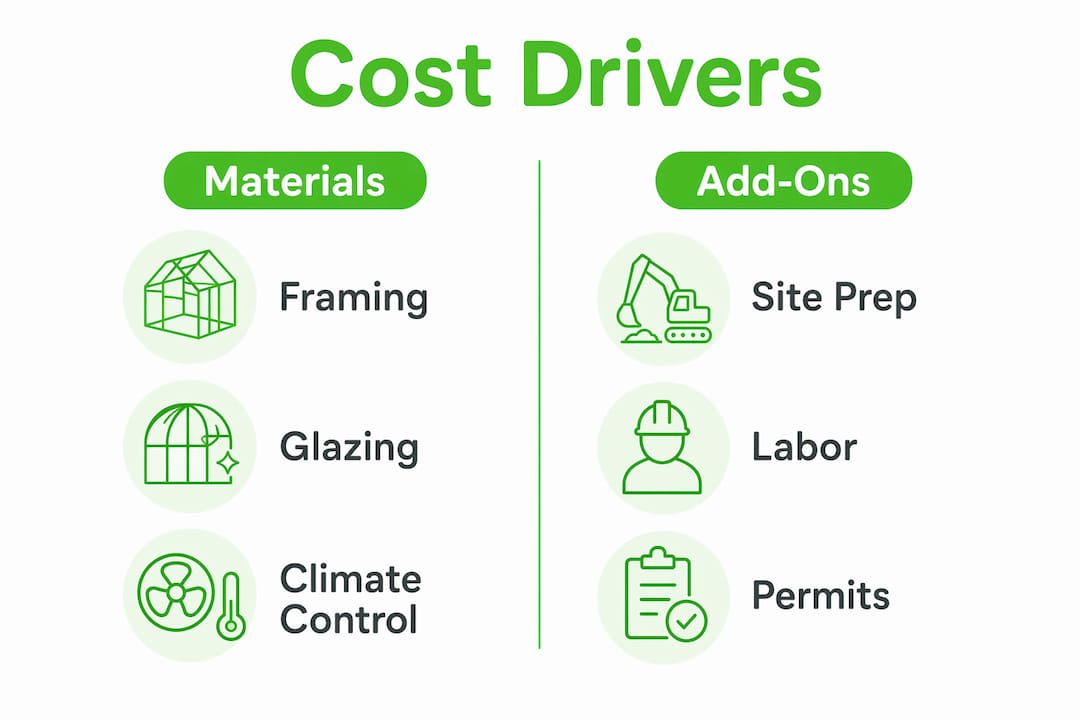
Two greenhouses with identical square footage can vary widely in price depending on a handful of decisions. Understanding those decisions before you talk to a contractor saves real money.
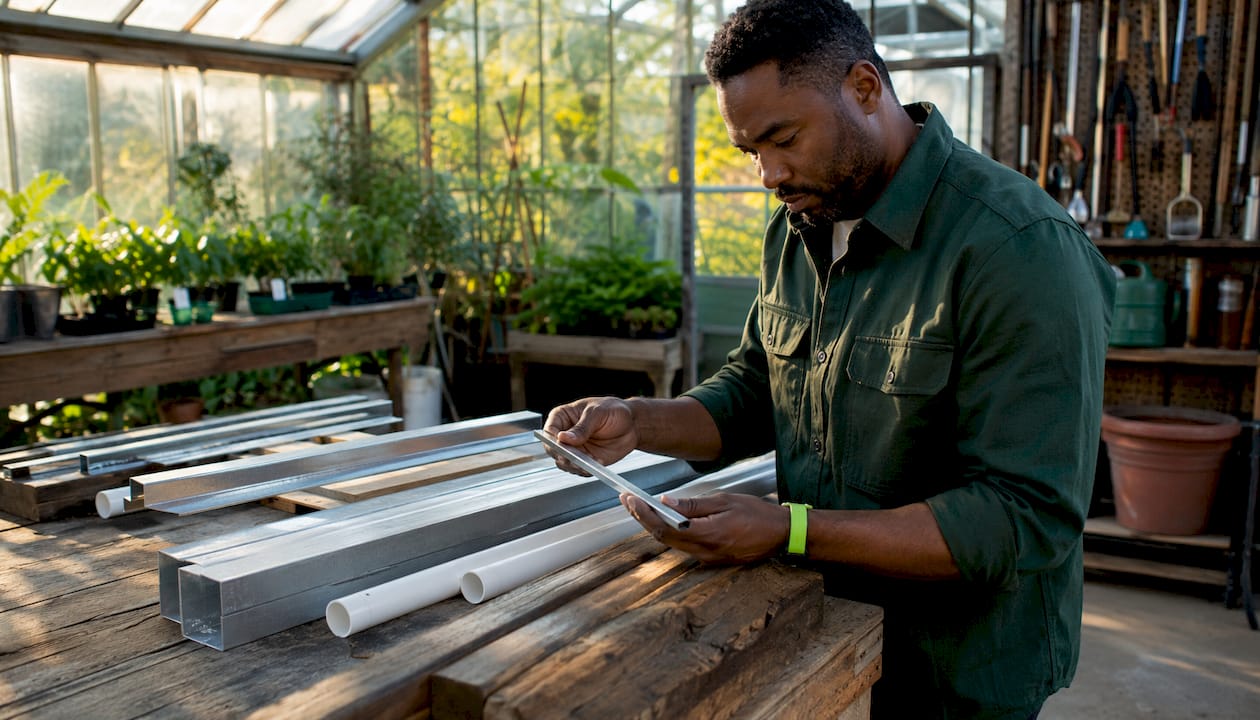
Framing materials vary in cost and performance characteristics, with PVC generally least expensive, aluminum and galvanized steel more costly, and wood offering aesthetic benefits though requiring maintenance.
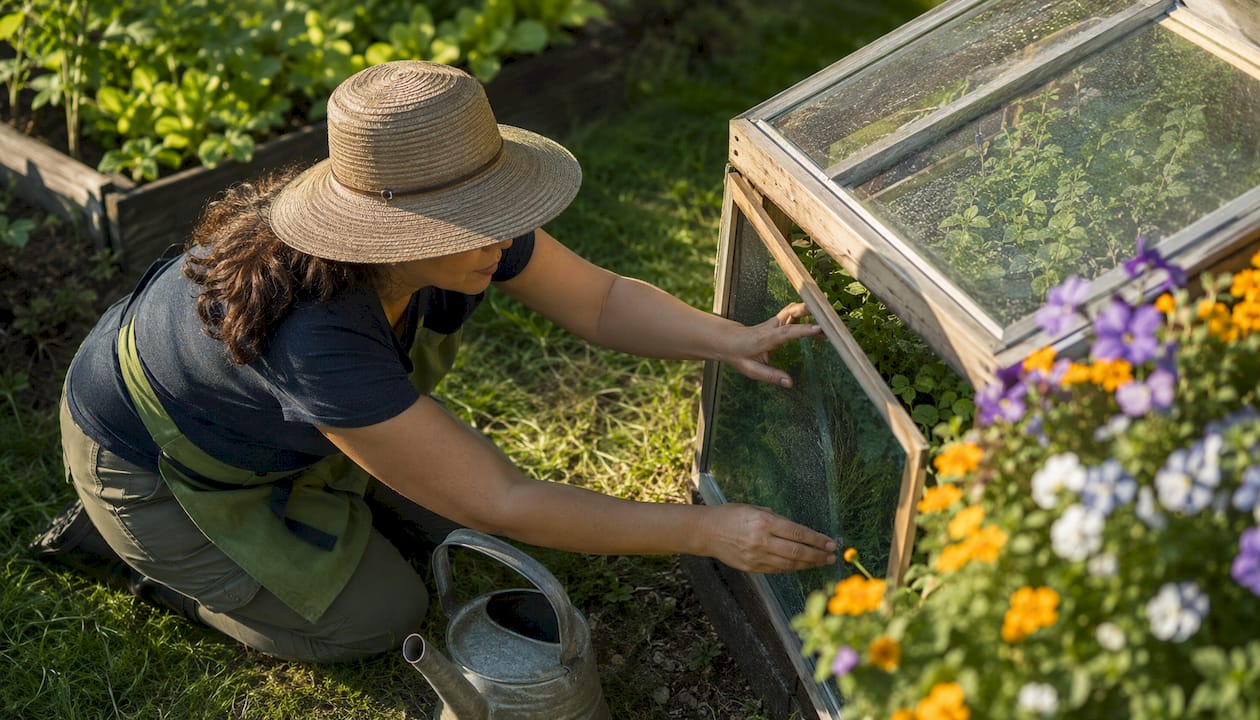
Glazing choices have significant cost impact; options range from plastic film, requiring frequent replacement, to polycarbonate offering solid insulation, and double-pane glass favored for year-round growing in cold climates.
Site preparation catches many buyers off guard. Excavation, grading, and utility trenching can add 20–30% to your total before a single wall panel goes up. Foundation type alone ranges from $1–$3 per sq. ft. for gravel to $3–$6 per sq. ft. for a concrete slab.
Other key cost factors:
- HVAC and climate control: Heating and ventilation systems add upfront cost but pay off through improved yields in year-round growing. Geothermal systems carry higher installation costs but lower long-term operating expenses.
- Labor: Labor accounts for 30–40% of total project cost when you hire a professional. DIY saves that outlay but introduces risk of code violations and structural errors.
- Regional engineering: Colorado’s snow and wind loads require heavier frame profiles and stronger glazing than a greenhouse built in Georgia. That engineering compliance directly raises material costs.
- Permits: Building permits for permanent structures typically run a few hundred dollars, but stamped engineering drawings for permit approval add more. Discovering that gap after purchase is expensive.
Who builds custom greenhouses in Colorado?
Colorado presents specific challenges: high altitude, intense UV exposure, heavy snow loads, and wide temperature swings between day and night. One verified local specialist serves this market.
| Builder | Estimated Cost Range | Service Area | Specializations | Notable Features | Rating |
|---|---|---|---|---|---|
| Colorado Greenhouse Builders LLC | Custom quoted; hobby to commercial scale | Colorado and surrounding states | Custom cedar greenhouses, geothermal heating, year-round growing | Bespoke interior designs, climate-adapted builds | 4.3★ (17 reviews) |
Colorado Greenhouse Builders LLC focuses on cedar construction and geothermal heating systems, both well-suited to Colorado’s climate. Cedar naturally resists rot and handles freeze-thaw cycles better than most framing materials. Their geothermal systems use the earth’s stable underground temperature to reduce heating costs over time, which matters a lot when you are growing through a Colorado winter at 6,000 feet. They serve Colorado and neighboring states, working across hobby and commercial scales with fully bespoke designs rather than off-the-shelf configurations.
For buyers comparing this against a prefab kit, the tradeoff is straightforward: a kit gets you growing faster and cheaper upfront, but a custom build from a local specialist accounts for your specific site, climate, and growing goals in ways a catalog product cannot.
How to choose and budget for a custom greenhouse
Start with your primary purpose. A hobbyist growing tomatoes through winter needs different specs than a commercial grower running 2,000 sq. ft. of year-round production. Getting that clarity first prevents expensive mid-project changes.
- Match materials to your climate. Polycarbonate works well in most US regions. In Colorado and other high-altitude states, double-pane glass or high-performance glazing is worth the premium for thermal retention.
- Check local codes early. Permanent structures typically require permits. Some jurisdictions also require stamped engineering drawings for approval. Confirm this before finalizing your design.
- Budget for site prep separately. Treat excavation, grading, and foundation as a distinct line item, not an afterthought. It is one of the most commonly underestimated costs.
- Ask contractors the right questions: Do they provide engineering drawings for permits? What does the structural warranty cover? What are the wind and snow load ratings for the frame?
- Watch for red flags: Vague contracts with no material specifications, no warranty language, and no permit discussion are warning signs. A reputable builder will address all three without being asked.
Pro Tip: Get at least two quotes and ask each contractor to break out materials, labor, site prep, and permits as separate line items. A single lump-sum quote makes it nearly impossible to compare bids or identify where costs can be reduced.
Weigh DIY kits against professional custom builds honestly. DIY kits cost $1,000–$7,000 and save on labor, but professional installation assures code compliance, a proper foundation, and structural warranties that protect your investment for decades.
Greenhouse kits from Planetgreenhouse for hobbyists and schools
For homeowners and educational buyers who want a proven structure without the complexity of a full custom build, Planetgreenhouse carries a range of Solexx models with transparent pricing and detailed specs online.
Key models worth knowing:
- Solexx Conservatory Greenhouse Deluxe 16’W x 20’L x 9’6"H: A large-format hobbyist model with generous headroom, Solexx double-wall glazing for insulation, and a conservatory-style profile. Well-suited for serious home growers and school programs.
- Solexx Gardener’s Oasis Greenhouse Deluxe 8’W x 24’L x 8’H: A mid-size option with the same Solexx glazing system, designed for backyard growers who want more linear growing space without a large footprint.
| Model | Size | Glazing | Best For |
|---|---|---|---|
| Solexx Conservatory Deluxe | 16’W x 20’L x 9’6"H | Solexx double-wall | Serious hobbyists, schools |
| Solexx Gardener’s Oasis Deluxe | 8’W x 24’L x 8’H | Solexx double-wall | Backyard growers |
Solexx glazing diffuses light evenly, which reduces hot spots and supports more consistent plant growth than single-pane alternatives. Both models ship with installation guidance, and Planetgreenhouse offers financing options for buyers who want to spread the cost. For anyone comparing cedar greenhouse options or evaluating smaller kit sizes, the site covers both.
How long does a custom greenhouse build take, and what permits do you need?
A small kit greenhouse can go up in a weekend. A mid-size or custom build typically takes several weeks once you factor in site preparation, material lead times, and inspections. Complex projects with geothermal systems or full electrical and plumbing runs can extend to two or three months.
Permit requirements vary by jurisdiction. Most permanent structures require a building permit, and some counties require a site plan or zoning approval before construction begins. In Colorado specifically, high-altitude counties often have stricter snow load requirements that affect both the permit application and the engineering specifications. Confirm requirements with your local building department before finalizing any design, and ask your contractor whether they handle the permit application or whether that falls to you.
What does a custom greenhouse cost to run each year?
Construction is the big upfront number, but operating costs accumulate quickly. Heating a greenhouse through a cold winter can run $10–$50 per month for a small structure, more for larger or less-insulated builds. Geothermal systems reduce that ongoing expense significantly once installed. For winter greenhouse gardening in cold climates, the heating system choice at build time has a direct impact on what you pay every month for years afterward.
Other recurring costs to budget for:
- Glazing replacement: Plastic film needs replacement every 3–5 years. Polycarbonate and glass last much longer but may need resealing or panel replacement over time.
- Water and irrigation: A drip irrigation system costs $1,600–$3,500 to install; water usage adds to monthly utility bills.
- Electricity: Grow lights, fans, and automated controls add to your power bill, typically $50–$150 per month depending on system size.
- Routine maintenance: Cleaning glazing panels, checking seals, and inspecting the frame annually prevents small issues from becoming expensive repairs.
What do real Colorado custom greenhouse projects cost?
Colorado Greenhouse Builders LLC does not publish a standard price list, which is typical for custom builders. Pricing depends on site conditions, structure size, material choices, and whether geothermal heating is included. A hobby-scale cedar greenhouse with basic climate control will land at a different number than a commercial build with automated ventilation and geothermal infrastructure.
What the local market consistently shows: buyers who invest in climate-adapted materials and proper site preparation upfront spend less on repairs and energy over the first five years than those who cut corners on framing or glazing. Cedar construction and geothermal heating carry higher initial costs in Colorado, but both are well-matched to the climate in ways that cheaper alternatives are not.
How do greenhouse financing options work?
Most custom greenhouse builders require a deposit at contract signing, typically 30–50% of the total project cost, with the balance due at completion or in staged payments tied to construction milestones. Get the payment schedule in writing before signing anything.
For kit purchases, Planetgreenhouse offers financing options directly through the website, letting buyers spread payments rather than paying the full amount upfront. This works well for homeowners who want a quality structure but prefer not to absorb the full cost in a single transaction.
For larger custom builds, some buyers use home equity lines of credit or personal loans. If you go that route, factor the interest cost into your total greenhouse budget. A $25,000 build financed over five years at a typical personal loan rate adds meaningfully to the real cost of the project.
Planetgreenhouse offers a direct path to a quality kit greenhouse
If hiring a custom builder feels like more project than you need right now, Planetgreenhouse is a practical alternative. Rather than managing contractors, permits, and site prep, you get a complete greenhouse kit shipped to your door with clear specs, transparent pricing, and financing available.
The Solexx Conservatory Deluxe is the flagship option for serious home growers and school programs, with double-wall Solexx glazing that handles cold climates well. Smaller models like the Gardener’s Oasis 8’W x 12’L suit backyard growers who want a proven structure without the complexity of a full custom project. Every model comes with installation guidance, and the site covers accessories and climate control equipment to complete your setup.
Key Takeaways
Custom greenhouse costs in the US range from $2,000 for a basic DIY kit to over $40,000 for a fully custom commercial build, with most residential projects typically in the $10,000 to $50,000 range. Small kits generally start around $2,000, while commercial builds can exceed $40,000. | Biggest cost drivers | Glazing choice, framing material, site preparation, and climate control systems determine most of the final price. | | Site prep is often overlooked | Excavation, grading, and foundation work can add 20–30% to total project cost before construction begins. | | Labor vs. DIY tradeoff | Professional installation accounts for 30–40% of total cost but delivers code compliance and structural warranties. | | Planetgreenhouse kits | Solexx Conservatory and Gardener’s Oasis models offer transparent pricing, double-wall glazing, and financing for hobbyists and schools. |